
A personalized approach to every patient
Every patient comes with a unique history, set of goals, and support system. Tara's practice is built around one-to-one care — no aides, no assistants — so you always work directly with a highly trained, ASHA-certified clinician.
Services are available in your home, at a skilled nursing or assisted living facility, or via secure telehealth video — whichever setting best supports your recovery and quality of life.
01
Aphasia & Language Disorders
Stroke recovery · Brain injury
Aphasia is an acquired language disorder that affects the ability to speak, understand, read, and write — most commonly following stroke or traumatic brain injury. It does not affect intelligence.
What I do
- Comprehensive language evaluation to identify strengths and areas of difficulty
- Individualized treatment targeting speaking, listening, reading, and writing
- Functional communication strategies for real-life situations
- Family and caregiver education and coaching
- Alexia (acquired reading disorder) and agraphia (acquired writing disorder) treatment
Who benefits
Adults who have experienced stroke, TBI, or other neurological events affecting language. Family members and caregivers are encouraged to participate in sessions.

Specialty area
Stroke recovery · Brain injury
02
Dysarthria & Motor Speech
Parkinson's · TBI · Stroke · ALS
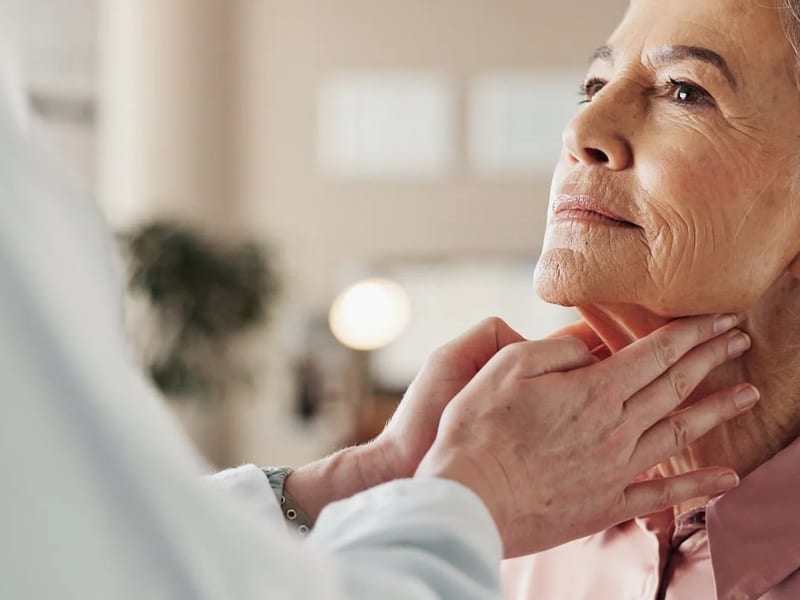
Dysarthria is a motor speech disorder caused by weakness, paralysis, or incoordination of the muscles used for speaking. It can affect speech clarity, volume, rate, and overall intelligibility.
What I do
- Speech intelligibility assessment and treatment
- Breath support and voice projection techniques
- Rate and rhythm strategies for clearer speech
- LSVT LOUD-informed approaches for Parkinson's disease
- Apraxia of speech evaluation and treatment
Who benefits
Adults with Parkinson's disease, ALS, multiple sclerosis, TBI, stroke, or other neurological conditions affecting speech motor control.
Specialty area
Parkinson's · TBI · Stroke · ALS
03
Dysphagia & Swallowing Disorders
In-home FEES available
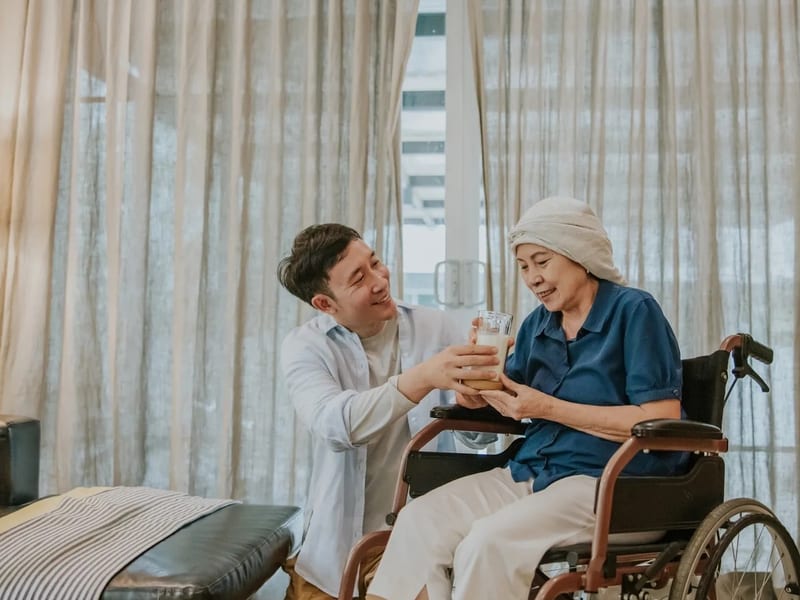
Dysphagia (difficulty swallowing) can affect nutrition, hydration, and quality of life — and carries serious risks including aspiration pneumonia. Early evaluation and treatment are essential.
What I do
- Clinical swallowing evaluation (bedside or in-home)
- In-home FEES (Flexible Endoscopic Evaluation of Swallowing) — gold-standard diagnostic imaging at your location
- Diet texture and liquid consistency recommendations (IDDSI framework)
- Swallowing exercises and compensatory strategies
- Coordination with physicians, dietitians, and care teams
Who benefits
Adults with unexplained coughing or choking during meals, recurrent pneumonia, weight loss, feeding tube dependence, or post-surgical swallowing changes.
Specialty area
In-home FEES available
04
Cognitive-Communication
TBI · Dementia · Stroke · Right hemisphere
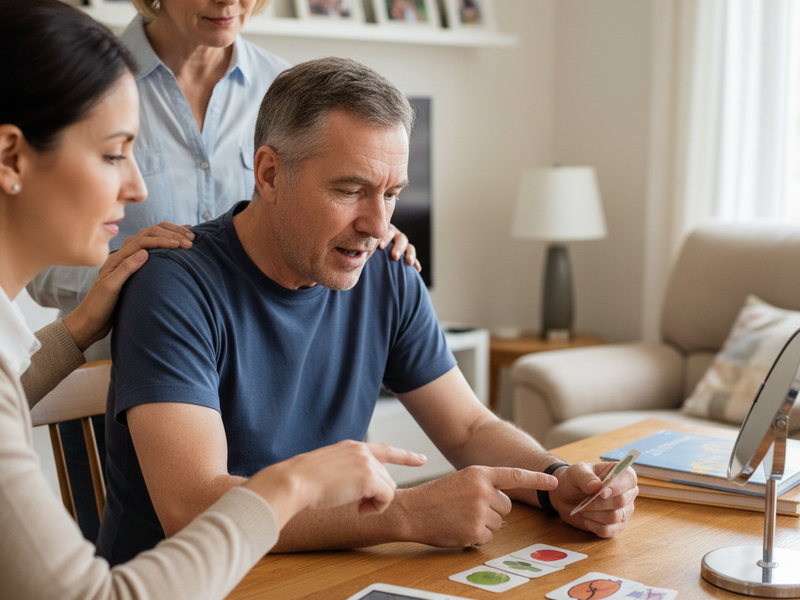
Cognitive-communication disorders affect the ability to communicate effectively due to underlying cognitive deficits — including memory, attention, organization, and problem-solving — rather than language impairment alone.
What I do
- Cognitive-communication assessment and goal-setting
- Memory strategies and compensatory techniques
- Attention and executive function training
- Social communication and pragmatic skills
- Caregiver training and home program development
Who benefits
Adults following TBI, stroke (including right hemisphere stroke), or living with dementia or mild cognitive impairment who experience challenges with daily communication and independence.
Specialty area
TBI · Dementia · Stroke · Right hemisphere
05
AAC & Augmentative Communication
High tech · Low tech · No tech
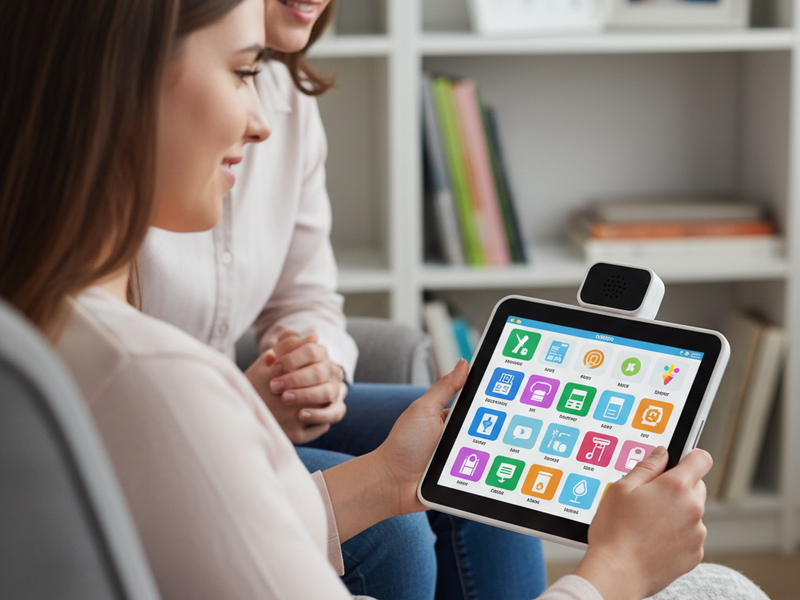
Augmentative and Alternative Communication (AAC) encompasses all the ways people communicate beyond natural speech — from simple picture boards to sophisticated speech-generating devices.
What I do
- AAC feature matching and device trials
- Training on high-tech speech-generating devices (SGDs)
- Low-tech and no-tech communication system design
- Partner and caregiver training for AAC use
- Documentation support for insurance funding of devices
Who benefits
Adults with ALS, severe aphasia, TBI, or other conditions that significantly limit natural speech and who may benefit from communication supports.
Specialty area
High tech · Low tech · No tech
06
Telehealth Speech Therapy
New York State · Secure video
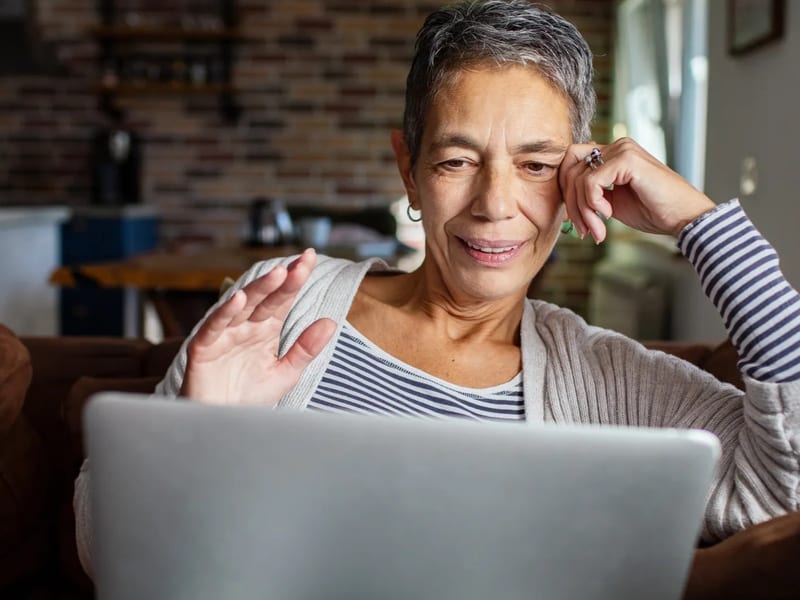
Telehealth allows patients across New York State to receive the same high-quality, individualized speech-language pathology services — without leaving home. Sessions are conducted via a secure, HIPAA-compliant video platform.
What I do
- All communication and language therapy services available via telehealth
- Cognitive-communication and swallowing therapy (clinical swallowing evaluation; FEES requires in-person)
- Flexible scheduling to accommodate your routine
- Family and caregiver participation encouraged
- Available to adults anywhere in New York State
Who benefits
Patients who prefer the convenience of home-based care, those with transportation challenges, or anyone located outside of Tara's in-person service area within New York State.
Specialty area
New York State · Secure video
Diagnostic Service
In-Home FEES Swallowing Studies
Tara is trained and equipped to perform FEES (Flexible Endoscopic Evaluation of Swallowing) at your location — home, skilled nursing facility, or assisted living. This gold-standard diagnostic procedure provides immediate, real-time results without the burden of hospital transport.
Learn more about in-home FEES
For Healthcare Providers
Referring a patient?
Tara accepts referrals from physicians, NPs, PAs, discharge planners, and care coordinators. A physician order is required for Medicare-covered services. Contact Tara directly to discuss a referral.
Send a referral