
Dysphagia & Swallowing Therapy
Safe, confident swallowing — at every stage of recovery
Dysphagia is a swallowing disorder that can affect eating, drinking, and quality of life. With expert evaluation and personalized therapy, most people see meaningful improvement.
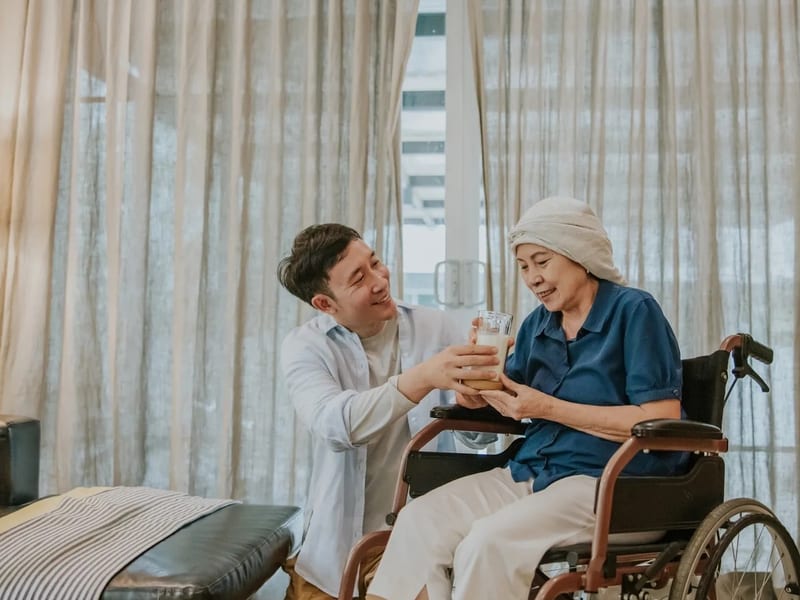
What is dysphagia?
Dysphagia is the medical term for difficulty swallowing. It can affect any stage of the swallowing process — from chewing and moving food through the mouth, to the throat and esophagus. When swallowing is impaired, food or liquid can enter the airway instead of the stomach, a dangerous complication called aspiration.
Swallowing is one of the most complex neuromuscular acts the body performs, involving over 30 muscles and multiple cranial nerves working in precise coordination. When any part of that system is disrupted — by neurological disease, structural changes, or injury — dysphagia can result.
Dysphagia is not a normal part of aging, and it is not something to simply manage around. With proper evaluation and targeted therapy, most patients can improve swallowing safety and return to eating the foods they enjoy.
65%
of stroke survivors experience dysphagia
Making it one of the most common post-stroke complications
30+
muscles involved in a single swallow
Coordinated by multiple cranial nerves in under one second
Dysphagia is not a normal part of aging — and with proper evaluation and therapy, most patients see meaningful improvement.
Who does dysphagia affect?
Dysphagia can occur at any age, though it is most common in older adults and those with neurological conditions. Common causes include:
Stroke
One of the leading causes of dysphagia. Up to 65% of stroke survivors experience some degree of swallowing difficulty, which can increase the risk of aspiration pneumonia.
Parkinson's disease
Parkinson's affects the muscles and nerves involved in swallowing, often causing slow, effortful swallowing and increased risk of aspiration as the disease progresses.
Head and neck cancer
Surgery, radiation, and chemotherapy for head and neck cancers can damage the structures and nerves involved in swallowing, causing significant dysphagia.
Traumatic brain injury
TBI can disrupt the neurological control of swallowing, resulting in oral and pharyngeal phase dysphagia that varies widely in severity.
ALS and neuromuscular disease
Progressive neuromuscular diseases like ALS, myasthenia gravis, and muscular dystrophy can weaken the muscles of swallowing over time.
Dementia
As dementia advances, it can impair the coordination and awareness needed for safe swallowing, often requiring modified diets and caregiver strategies.
Signs and symptoms
Dysphagia can present in many ways. Common signs to watch for include:
- Coughing or choking during or after eating and drinking
- A wet or gurgly voice quality after swallowing
- Sensation of food sticking in the throat or chest
- Frequent throat clearing at mealtimes
- Unexplained weight loss or dehydration
- Recurrent chest infections or aspiration pneumonia
- Avoiding certain foods or textures, or taking unusually long to eat
- Drooling or difficulty managing saliva

A note from Tara
"Swallowing difficulties can be frightening — for patients and families alike. My goal is to provide a clear picture of what's happening and a practical path forward, so mealtimes feel safe again."
How I treat dysphagia
My approach to dysphagia therapy begins with a thorough evaluation — understanding not just what is happening, but why — so treatment targets the right structures and behaviors for each patient.
Clinical swallowing evaluation
A comprehensive bedside assessment of oral motor function, swallowing mechanics, and safety — reviewing medical history, diet, and any signs of aspiration to establish a baseline and guide next steps.
In-home FEES (Flexible Endoscopic Evaluation of Swallowing)
A gold-standard instrumental assessment performed in the comfort of the patient's home. A thin flexible scope is passed through the nose to directly visualize the throat during swallowing, identifying aspiration, residue, and structural issues in real time.
Swallowing exercises
Evidence-based exercises to strengthen the muscles of the tongue, jaw, and pharynx — including Shaker exercises, Mendelsohn maneuver, effortful swallow, and expiratory muscle strength training (EMST).
Compensatory strategies
Postural adjustments, swallowing maneuvers, and diet texture modifications (following IDDSI guidelines) that reduce aspiration risk and make eating safer while underlying function is being rehabilitated.
Caregiver and family training
Practical guidance for family members and caregivers on safe feeding techniques, positioning, diet preparation, and warning signs — so the patient is supported safely at every meal.
Telehealth follow-up
Ongoing dysphagia therapy and monitoring via telehealth across New York State, allowing consistent care between in-person visits or for patients with limited mobility.
Featured service
In-home FEES — no hospital visit required
I bring the evaluation to you. My in-home FEES service provides the same diagnostic clarity as a hospital-based study, in a familiar environment that reduces patient stress and caregiver burden. Available throughout New York City and surrounding areas.
Concerned about swallowing? Let's talk.
Whether you're a patient, family member, or referring clinician, I'm here to help. Early evaluation leads to better outcomes — reach out today to discuss next steps.