
Aphasia & Language Therapy
Regaining the words that matter most
Aphasia affects the ability to speak, understand, read, and write — but it does not affect intelligence. With the right support, meaningful communication is possible.

What is aphasia?
Aphasia is an acquired language disorder that affects a person's ability to communicate. It can impair speaking, understanding spoken language, reading, and writing — often all at once, and to varying degrees.
Aphasia is caused by damage to the language centers of the brain, most commonly from stroke. It is not a reflection of a person's intelligence or cognitive ability. Many people with aphasia have rich inner lives and clear thoughts — they simply have difficulty getting those thoughts out, or taking language in.
Aphasia affects approximately 2 million Americans, making it more common than Parkinson's disease, cerebral palsy, or muscular dystrophy — yet it remains widely misunderstood.
2M+
Americans living with aphasia
More common than Parkinson's, cerebral palsy, or muscular dystrophy
180,000
New cases each year in the US
Most caused by stroke or traumatic brain injury
Aphasia does not affect intelligence — it affects the ability to access and express language.
Who does aphasia affect?
Aphasia can affect anyone, at any age. The most common causes include:
Stroke
The leading cause of aphasia. Ischemic or hemorrhagic strokes that affect the left hemisphere of the brain often result in some degree of aphasia.
Traumatic brain injury
A blow or penetrating injury to the head can damage language areas of the brain, resulting in aphasia alongside other cognitive-communication challenges.
Brain tumor
Tumors in or near language regions of the brain can cause aphasia, either directly or as a result of surgical treatment.
Primary progressive aphasia
A neurological syndrome in which language capabilities slowly and progressively worsen over time, often associated with frontotemporal dementia.
Infection or inflammation
Encephalitis and other brain infections can damage language networks, leading to aphasia.
Signs and symptoms
Aphasia presents differently in every person. Common signs include:
- Difficulty finding words or frequent word substitutions
- Speaking in short, fragmented phrases or single words
- Trouble understanding spoken conversation, especially in noisy environments
- Difficulty reading — words, sentences, or longer passages
- Challenges with writing, spelling, or forming sentences on paper
- Using unintended words or sounds (paraphasias)
- Frustration or withdrawal from social situations
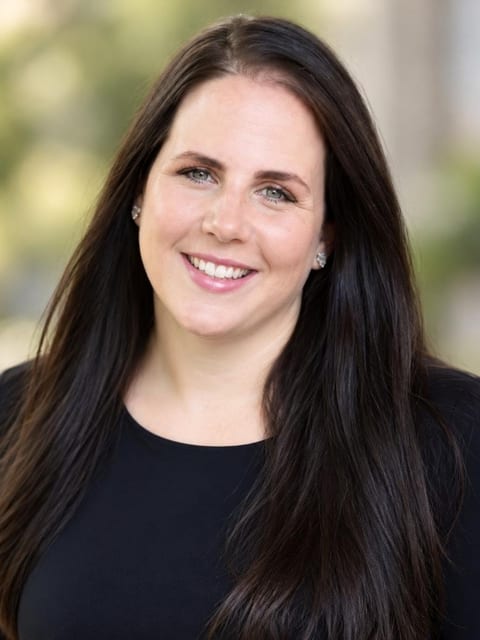
A note from Tara
"Aphasia can be isolating — but it doesn't have to be. My goal is to help patients find their voice again, in whatever form that takes, and to help families understand how to communicate in ways that truly connect."
How I treat aphasia
My approach to aphasia therapy is individualized, evidence-based, and grounded in what matters most to each patient — whether that's returning to work, reconnecting with family, or simply ordering a meal with confidence.
Comprehensive evaluation
I begin with a thorough assessment of language strengths and challenges across speaking, listening, reading, and writing — to build a clear picture of where therapy can have the greatest impact.
Impairment-based treatment
Targeted exercises to rebuild specific language skills — word retrieval, sentence production, auditory comprehension — using evidence-based protocols tailored to each patient's aphasia profile.
Functional communication training
Real-world practice using the communication strategies that matter most in daily life — conversations with family, phone calls, reading mail, and navigating appointments.
Augmentative & alternative communication (AAC)
When verbal communication is significantly limited, I introduce AAC tools — from low-tech communication boards to high-tech speech-generating devices — to support expression and reduce frustration.
Caregiver and family training
I work closely with family members and caregivers to teach communication strategies that support the person with aphasia at home and in the community.
Telehealth delivery
Aphasia therapy is highly effective via telehealth. I offer virtual sessions across New York State, making consistent, high-quality care accessible regardless of location or mobility.
Ready to take the first step?
Whether you're a patient, family member, or referring clinician, I'm here to help. Reach out to discuss how aphasia therapy can support communication and quality of life.